
How We Stay Aligned @ Sky
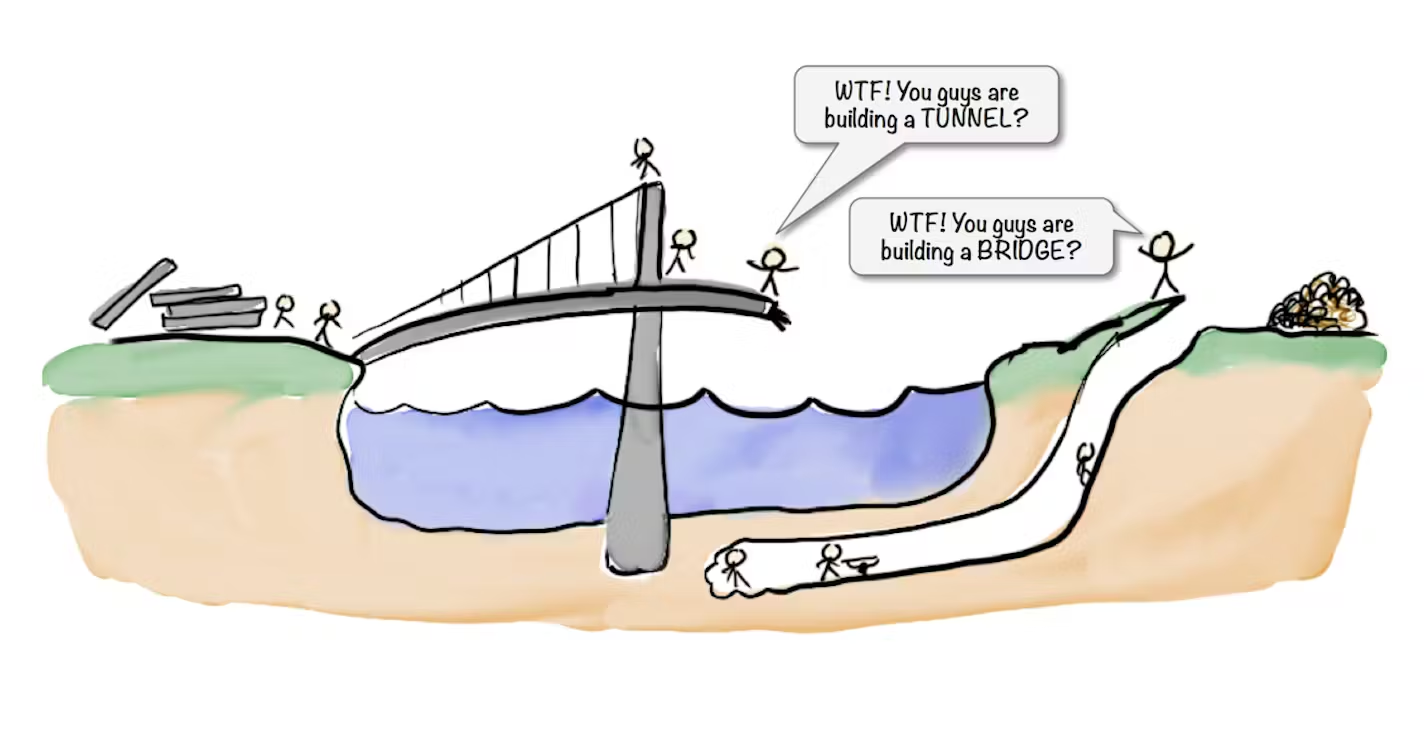
As a tribe, we should continually be establishing whether the work we do every day aligns to the goals of our product owners, the vision of our tribe, and the wider company.
We recently took a day out of our schedules to gather our entire tribe - engineers, agile coaches, product owners and editors – to develop an understanding of: how we align within Sky, our strategy as well as figuring out how we can influence and contribute to achieving these goals.
This is particularly important after a substantial tribe restructure and to help us start to form our identity.
Team Gathering
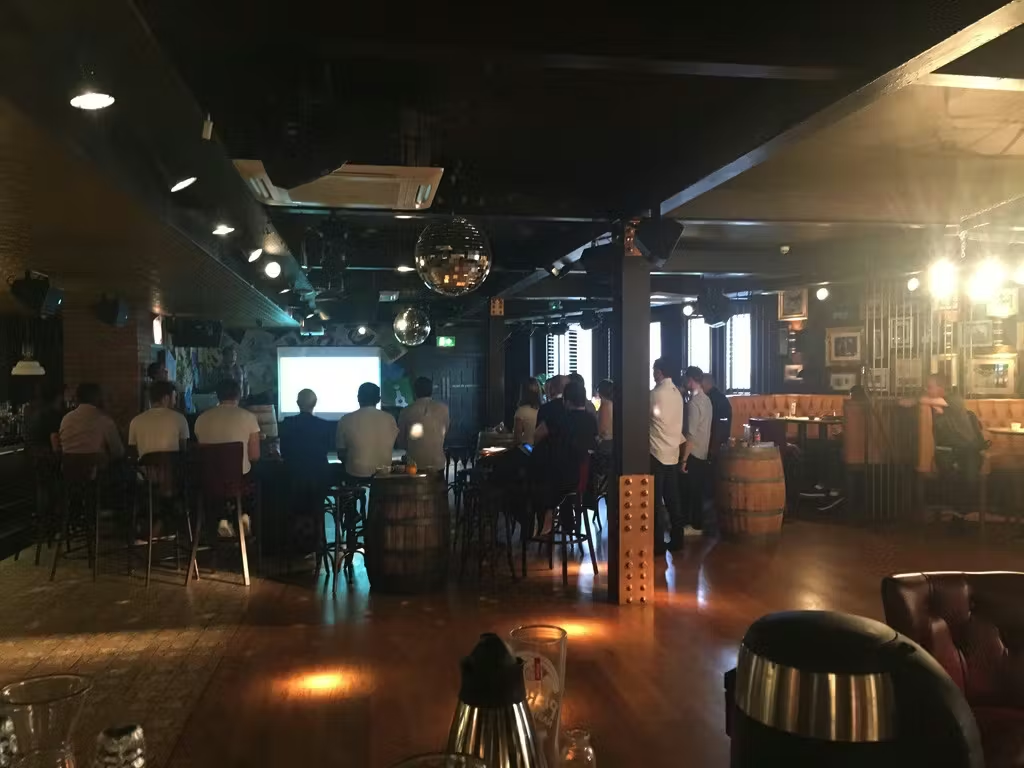
As this was probably the longest amount of time our entire team has spent together in one place since forming earlier this year, we felt it important to hire out a venue in a non-corporate setting, away from the office, without our laptops, to escape the usual day-to-day distractions.
Structure of the Day
A high-level look at the structure of the day:
- Team breakfast
- Technology strategy briefing
- KPIs and vision 2016/17
- Analytics - Current process and case studies / examples
- Team lunch
- Introduction to strategy exercise
- Split into 4 teams
- Theme focus x 4
- Prioritisation and discussion of ideas
- Team “treasure” hunt
- Quick look at some of the photos taken throughout the day and presentation of “treasure” hunt prizes
- Celebration
- … and of course, frequent breaks!
Spotify Rhythm Taxonomy
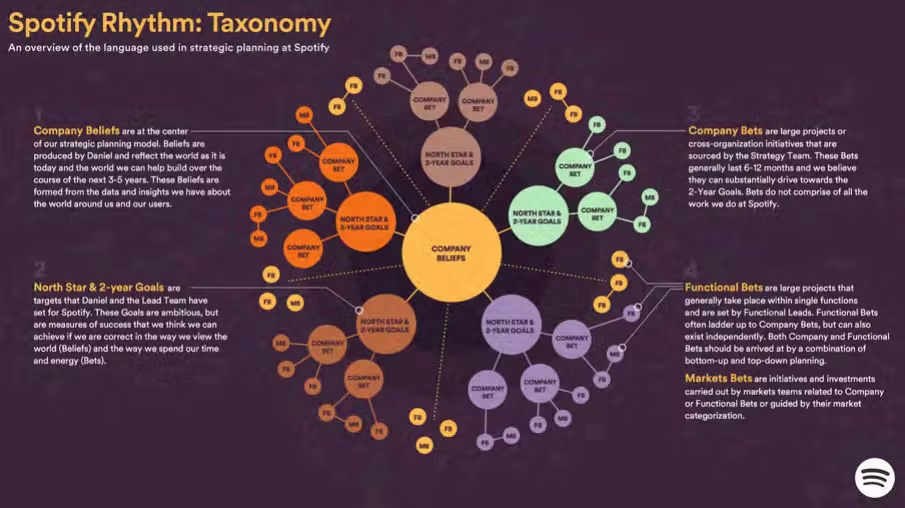
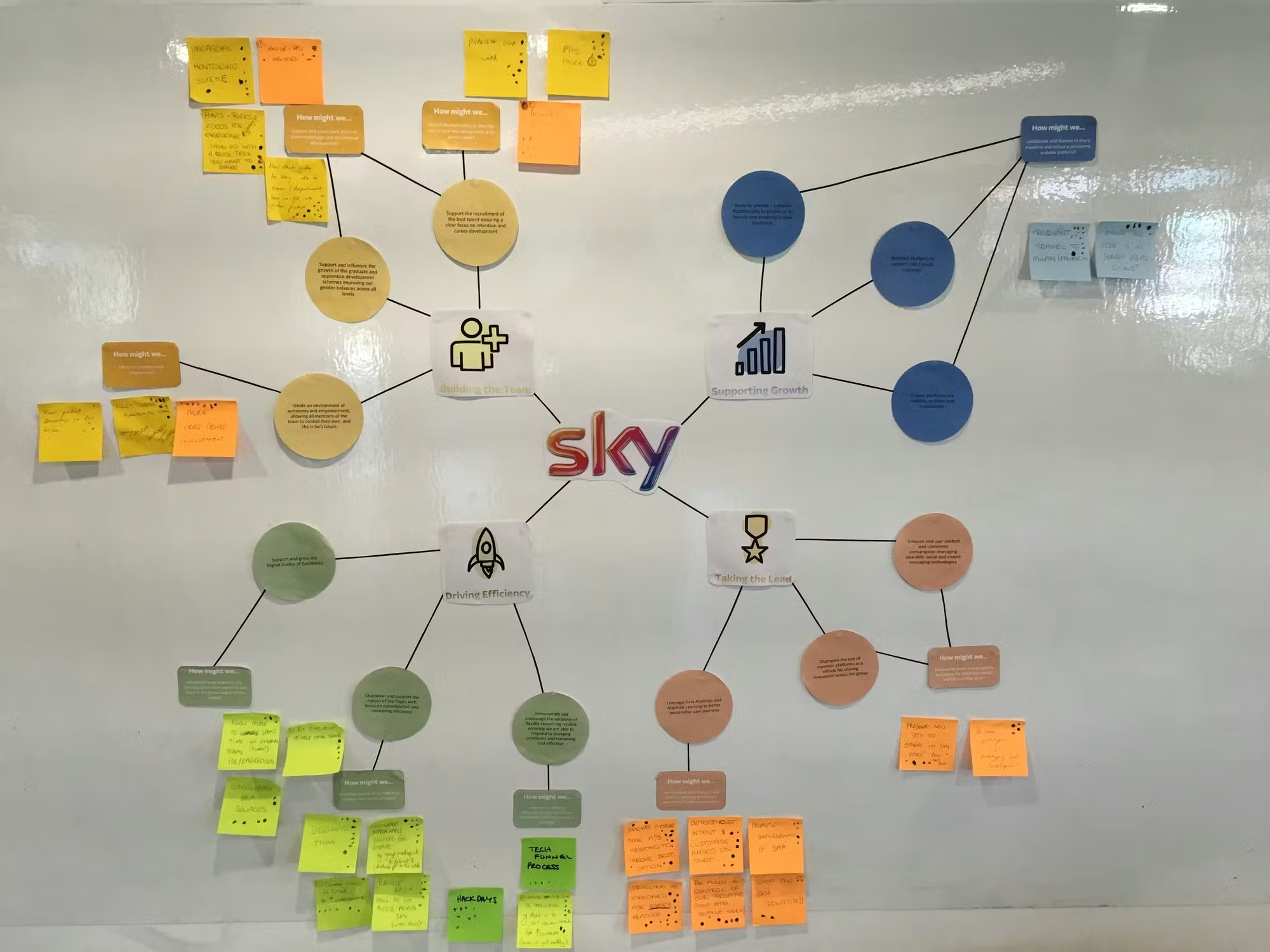
We had recently familiarised ourselves with a concept at Spotify called “Spotify Rhythm”, a technique used by the entire company to align their various squads with company strategy ensuring everyone is moving in the same direction. Although we didn’t use the technique as it was wholly intended, it did inspire and show us the importance of visually representing the relation between strategic layers and how our strategy as a tribe supplements that of wider Sky – allowing everyone to see how their day-to-day actions impact company strategy.
“It was definitely a good way to get the whole team together and bounce ideas around, and understand the roadmap a bit more.”
So we gathered strategy documents and KPIs from the organisation, tribe and our POs to establish how (and if!) these areas were aligned. After several iterations, we were able group these into several themes.
The “How Might We” Technique
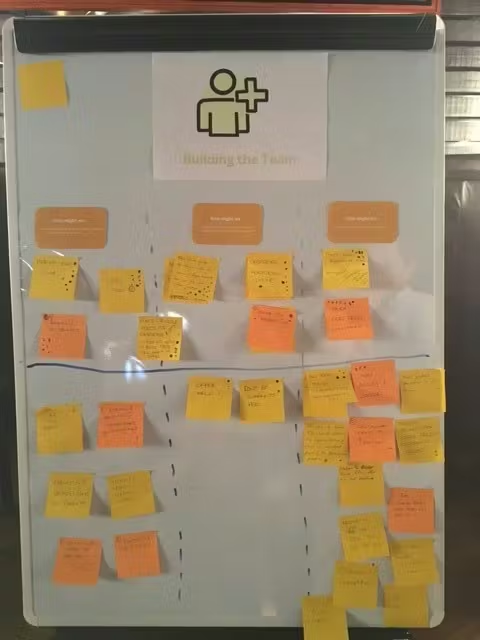
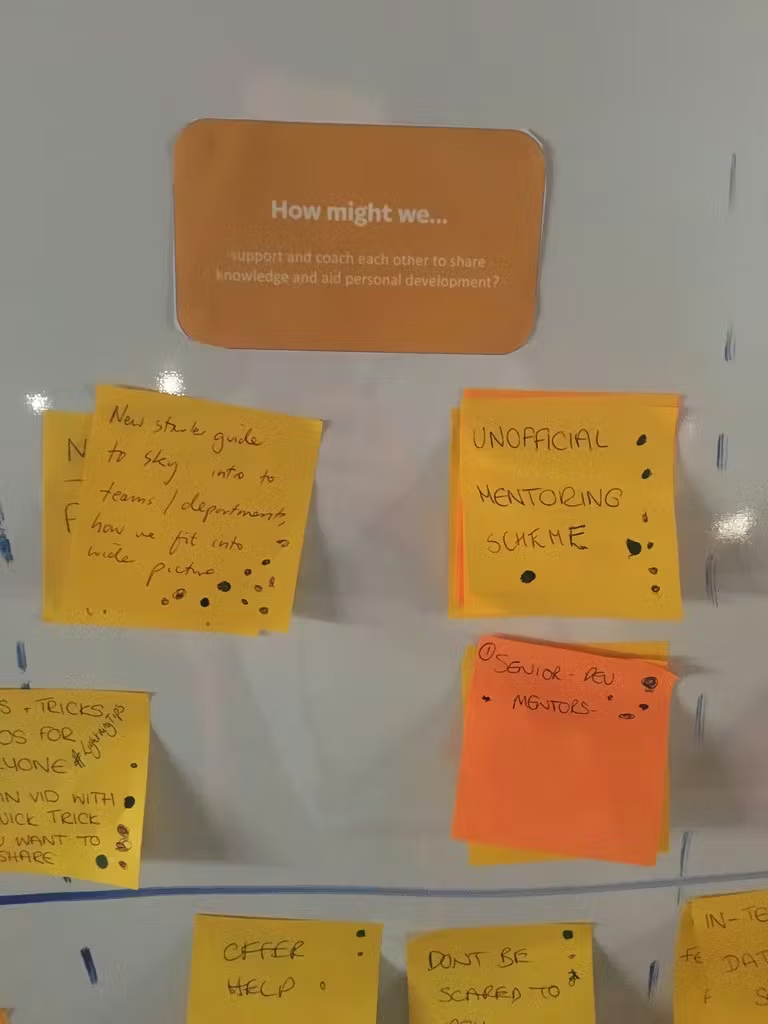
After some quick briefings from technology and product, the entire team were tasked with coming up with high-level initiatives which would allow us to achieve our goals in each category. To help with this, we borrowed a technique from the GV Design Sprint called “How Might We”. This simple technique of preceding a statement with “How might we… ”, allowed us to convert otherwise potentially daunting problem statements and present them as opportunities.
Some examples were:
- “How might we support and enable opportunities for career development within the tribe and wider Sky?”
- “How might we continue to break new ground by leveraging the latest technology and tools available to us?”
Team Collaboration
We split the group up into four teams of 5-6 people chosen at random. In previous team discussions, we found that there are some members who were naturally louder, and some who weren’t. Splitting the group into smaller teams allowed everyone to have a voice and contribute ideas.
“I liked the balance between listening to presentations, group work, and the fun team task at the end.”
In time-boxed sessions, each of the four teams were then designated a theme to review and submit ideas, which might help achieve or contribute toward our goals. Once the time-box had expired every team would move onto the next theme. This was rinsed and repeated until each team had an opportunity to contribute ideas to each theme.
After all teams had submitted ideas for each opportunity, we then used a dot-vote mechanism to establish the most popular initiatives and discussed as a wider group.
“I thought it was really good. Provided a good way to socialise with colleagues and air opinions, ideas, and concerns. Definitely need to make it semi regular (every quarter). Maybe get some Directors along too.”
We then took the most popular initiatives of each opportunity to form our Tribe Mission for the next 12 months providing us with a clear strategy on how we want to go about achieving our targets and most importantly allows us to see our day-to-day activities and how they align to the wider goals of the company.
Team Building
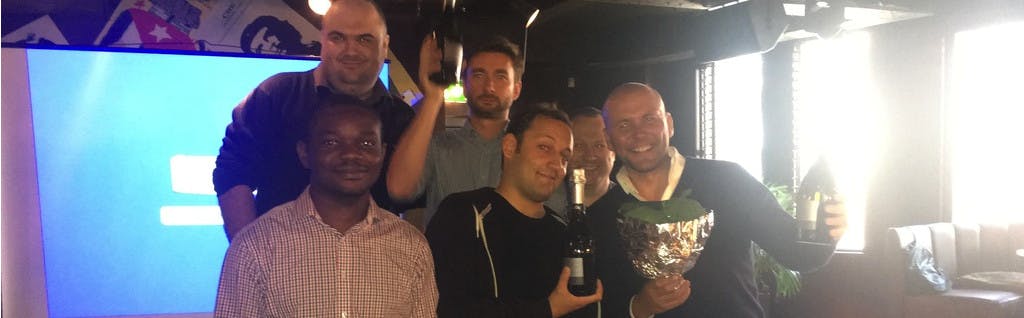
We finished the day with a team game which saw our team members scour Leeds for important clues and fulfil questionable tasks (like who can acquire the biggest broccoli head) in a treasure hunt, followed by celebratory drinks.
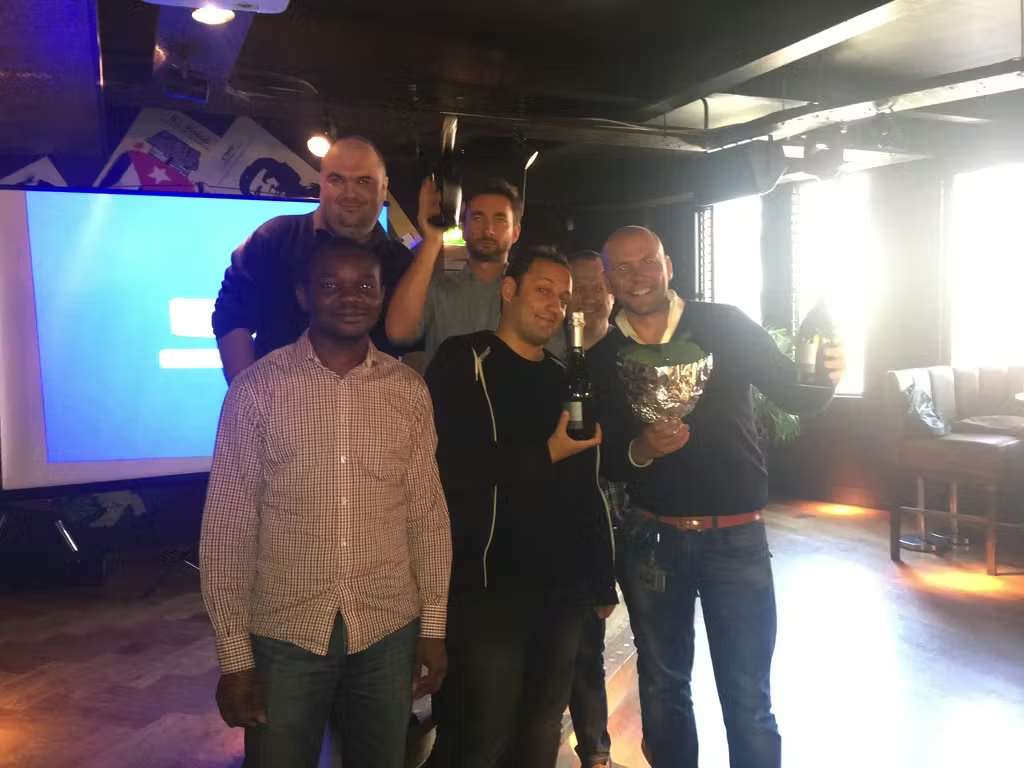
… and while we didn’t press a single key, it might just end up being the most productive day we’ll spend together this year!
“It was fun and useful. I’ve been to things like that (on the tin) before and they weren’t great. This was very well done!”
What’s Next?
Inspect and adapt – we will gather more detailed feedback of the day, including how it could be improved. We will also establish a frequent review mechanism to ensure we stay aligned and our process is working, as well as the effectiveness of the alignment technique at the end of the year.